Building a Growth Mindset in Your Child
In a world that constantly evolves, a child’s success is no longer determined solely by intelligence or talent. What truly makes a difference is how they respond to challenges, failures, and learning opportunities. This is where a growth mindset plays a vital role.
A growth mindset is the belief that abilities and intelligence can be developed through effort, learning, and persistence. When children adopt this mindset, they become more resilient, confident, and open to new experiences.
What Is a Growth Mindset?
A growth mindset is a way of thinking that encourages children to see challenges as opportunities rather than obstacles. Instead of believing “I can’t do this,” they learn to say, “I can’t do this yet.”
Children with a growth mindset:
- Embrace challenges
- Learn from criticism
- Stay motivated despite setbacks
- Value effort over instant success
This mindset helps them develop lifelong learning habits and emotional strength.
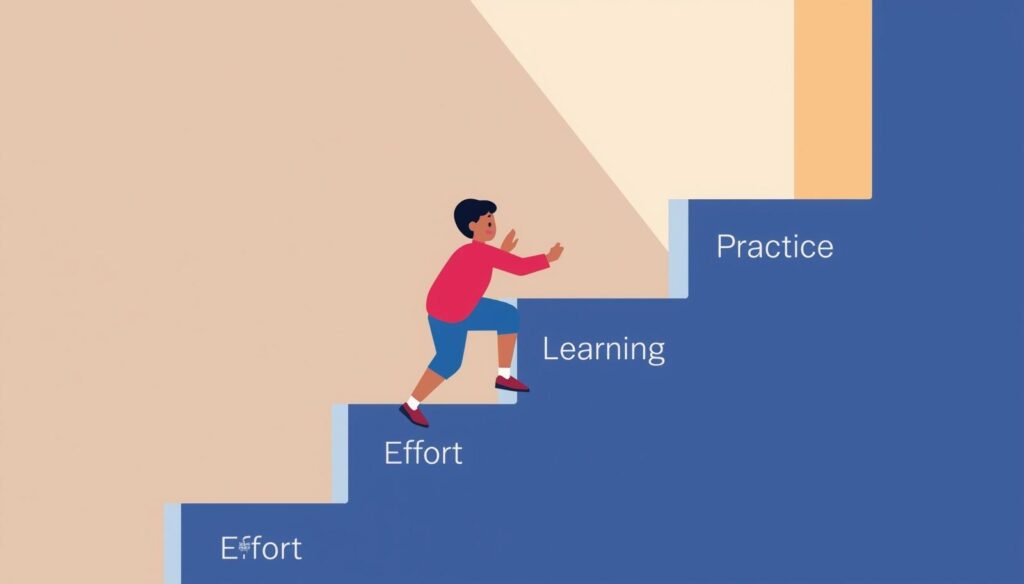
Step by Step, Growth Happens
Why Growth Mindset Matters for Children
Children face academic pressure, social expectations, and constant comparisons. Without the right mindset, they may develop fear of failure or low self-esteem.
A growth mindset helps children:
- Build confidence through effort
- Improve problem-solving skills
- Develop resilience in difficult situations
- Stay curious and creative
In the long run, it prepares them for both personal and professional success.
Growth Mindset vs Fixed Mindset
Understanding the difference between these two mindsets is essential:
Fixed Mindset:
- Believes abilities are limited
- Avoids challenges
- Fears failure
- Gives up easily
Growth Mindset:
- Believes abilities can improve
- Welcomes challenges
- Learns from mistakes
- Keeps trying despite difficulties
Parents play a key role in shaping which mindset a child develops.
Signs Your Child May Have a Fixed Mindset
Some children may unknowingly develop limiting beliefs. Watch for these signs:
- Avoiding difficult tasks
- Getting frustrated easily
- Comparing themselves with others
- Giving up after one failure
- Seeking constant approval
Recognizing these behaviors early helps parents guide children toward a healthier mindset.
Practical Ways to Build a Growth Mindset
1. Praise Effort, Not Just Results
Instead of saying “You’re so smart,” try saying “You worked really hard on this.” This shifts the focus from talent to effort.
2. Encourage Learning from Mistakes
Help children understand that mistakes are part of learning. Discuss what went wrong and what can be improved next time.
3. Use Positive and Growth-Oriented Language
Replace negative phrases like “I can’t” with “I will try again” or “I’m learning.”
4. Set Realistic Challenges
Give children tasks that push their limits without overwhelming them. Achieving small goals builds confidence.
5. Model a Growth Mindset
Children learn by observing. Show them how you handle challenges, failures, and learning in your own life.
6. Teach the Value of Persistence
Explain that success often comes after repeated effort. Share real-life examples of people who succeeded through persistence.
7. Limit Fear of Failure
Create an environment where failure is seen as a step toward improvement, not something to be ashamed of.
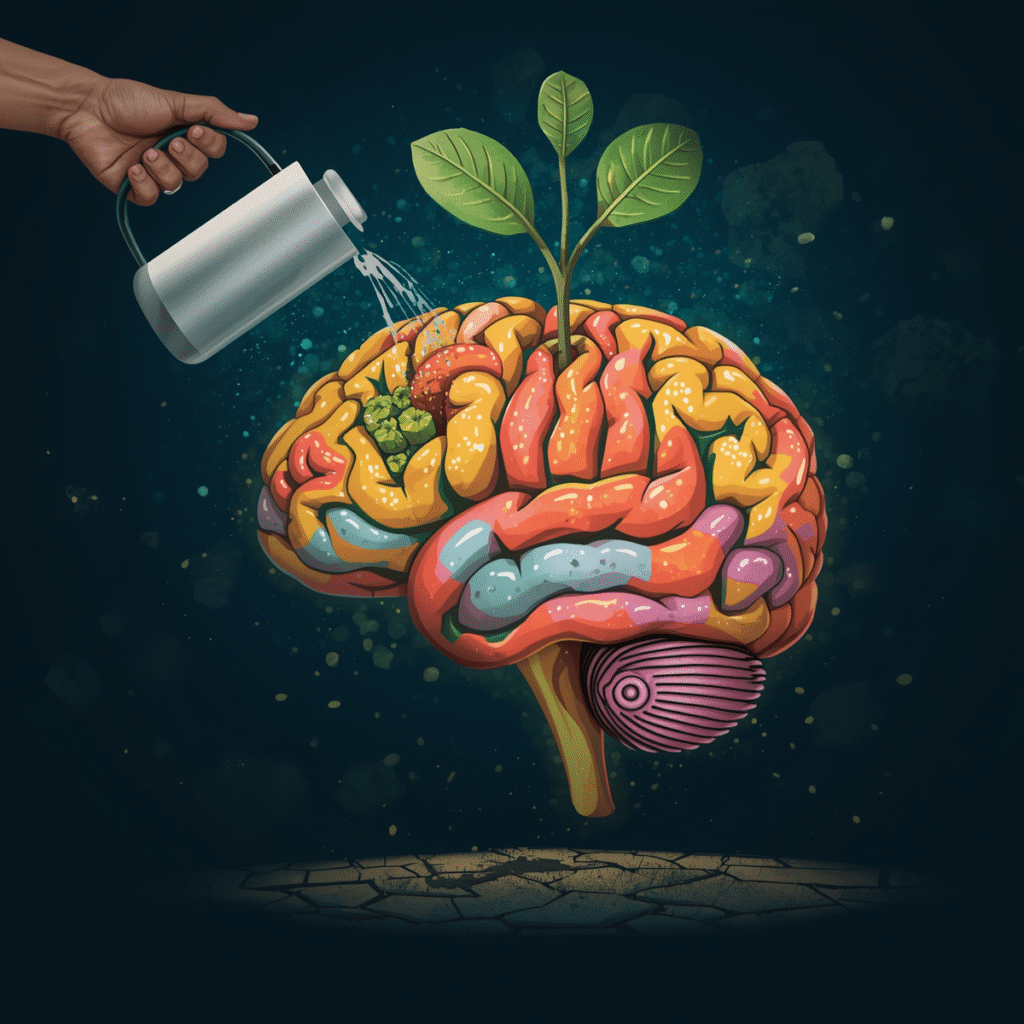
Grow the Mind, Grow the Future
Role of Parents in Developing Mindset
Parents are the first teachers in a child’s life. Their words, reactions, and expectations shape how children view themselves and their abilities.
To support a growth mindset:
- Avoid comparing your child with others
- Celebrate progress, not perfection
- Encourage curiosity and questions
- Provide emotional support during setbacks
A supportive environment makes children feel safe to explore and grow.
Activities to Encourage Growth Mindset
1. Problem-Solving Games
Puzzles and strategy games help children think critically and persist through challenges.
2. Learning Journals
Encourage children to write about what they learned each day and how they overcame difficulties.
3. Skill-Based Hobbies
Activities like drawing, music, coding, or sports teach patience and continuous improvement.
4. Reflection Conversations
Ask questions like:
- “What did you learn today?”
- “What was challenging?”
- “How did you handle it?”
These discussions help children become self-aware learners.
Common Mistakes Parents Should Avoid
While trying to support children, parents sometimes unknowingly hinder their growth:
- Overprotecting children from failure
- Pressuring them for perfect results
- Labeling them as “smart” or “weak”
- Ignoring effort and focusing only on outcomes
Avoiding these mistakes creates a healthier learning environment.
Long-Term Benefits of a Growth Mindset
Children who develop a growth mindset are more likely to:
- Adapt to changing situations
- Take initiative in learning
- Build strong emotional resilience
- Achieve long-term success
This mindset not only supports academic growth but also helps in relationships and career development.
Blog by Hanumanthrao